
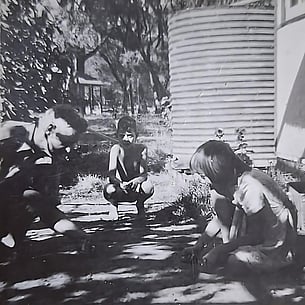
King Family playing marbles (circa 1940)
Life in the Ludlow Settlement: 1950s to 1970s
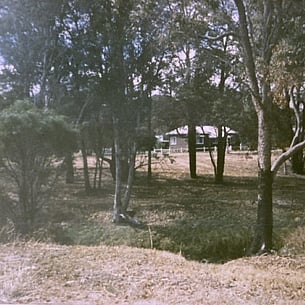
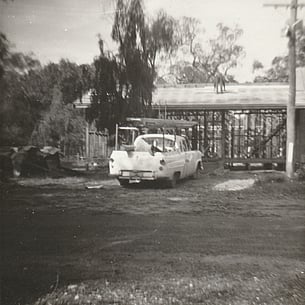
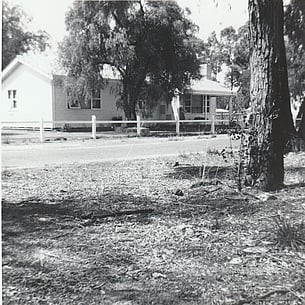
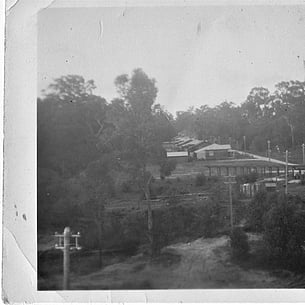
As the pine plantations matured and forestry operations expanded, so too did the need for homes and services. The Ludlow settlement grew into a close-knit forest community built around both working life and family life. By the mid-1960s, it included 21 family homes and several single men’s quarters, with houses, workshops, transport, and services all tied to the rhythms of forestry work.
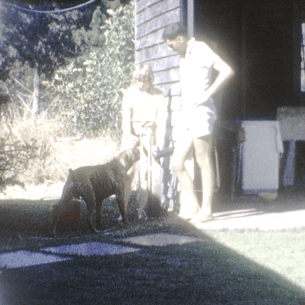
Life here was simple, but it was far from empty. Adults worked in the forest, at the mill, in the office, workshops, and gangs, while children grew up among the trees, experiencing the wide freedom of bush life. Modern conveniences were limited, yet the settlement was rich in neighbourly support, shared effort, and a strong sense of belonging.
Work, services and getting by
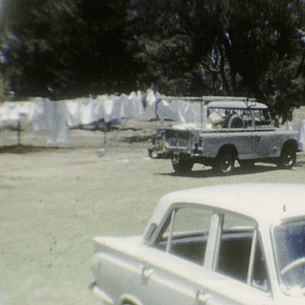
Life in Ludlow depended on more than the houses alone. Work in forestry and milling shaped the routine of each day, and the settlement ran on practical systems that people relied on. Water was pumped from the Ludlow River, though problems with the pump could mean delays, especially during burning or fire seasons when many of the men were away. Families also depended on a storeman who brought mail, newspapers, and supplies because there were no shops within walking distance.
Children travelled by school bus to Busselton after the local school closed, and adults balanced home life with the demands of forest work. It was a simple life in many ways, but one that worked because people helped each other.
A community that looked after its own
What comes through most strongly in memories of Ludlow is the feeling of community. The memorable times of Christmas parties, tennis matches, weekend barbecues, and stories shared under the stars. Daphne Gillard’s recollections echo that same spirit, describing homemade food, neighbourly support, and a settlement where people pitched in and looked after one another.
She remembered Ludlow as a happy place, where families and local farmers were friends, and where people created their own social life through gatherings, art groups, pottery, classes, and celebrations. The old Forestry School building became part of that social life too, hosting Christmas parties, farewells, and family events before it was lost by fire.
This may be the clearest way to understand settlement life at Ludlow. It was not luxurious. It was not easy in every respect. But it was deeply shared.
Closing
Ludlow was more than a settlement built for forestry. For the families who lived here, it was home. A place of hard work, shared effort, and memories that still carry warmth today.